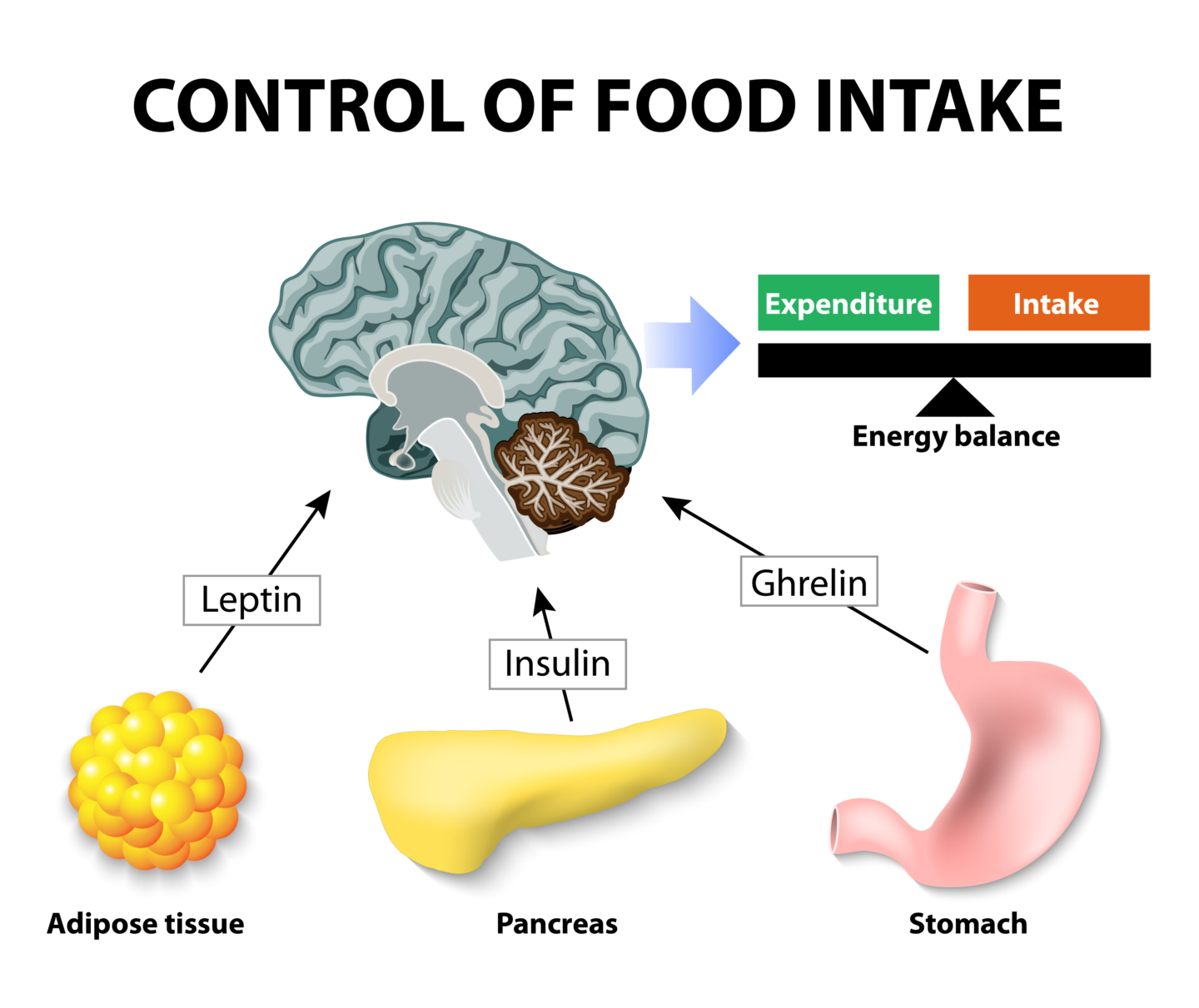
Leptin is a hormone secreted primarily by fat (adipose) cells. It communicates with the hypothalamus in the brain to regulate energy balance, hunger, and metabolism.
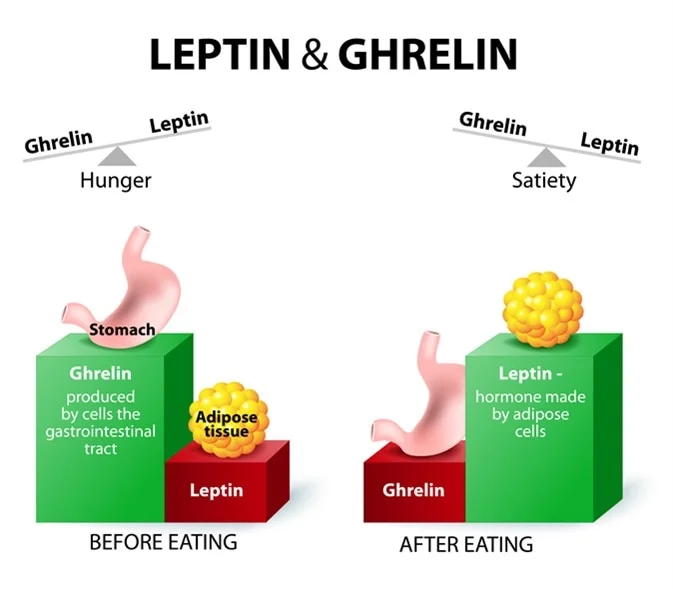
-High leptin usually signals the body has sufficient energy stored (fat reserves).
-Low leptin signals energy deficiency, increasing hunger and reducing energy expenditure.
-Chronic leptin resistance (where the brain no longer responds properly to leptin) is strongly linked to obesity, inflammation, and metabolic dysfunction.
What Leptin Actually Does
Regulates hunger and satiety signals
Controls long-term energy balance (not just meal-to-meal)
Influences thyroid and metabolism
Impacts fertility and reproductive hormones
Works hand-in-hand with insulin
Factors That Block or Impair Leptin (These things make you hungrier)
These reduce leptin’s signaling (causing leptin resistance, therefore upregulating your hunger):
High linoleic acid (seed oils/vegetable oils)
Fructose
Inflammation
High triglycerides
Poor sleep
Chronic stress & high cortisol
Blue Light
Alcohol
Blue Light
Lectins (Plant anti-nutrient)
Insulin (therefore, eating sugar directly upregulates your hunger)
Factors That Raise or Improve Leptin Sensitivity
These make leptin signaling more effective (your brain actually listens to leptin):
Lower range body fat
Low-linoleic acid diet
Ketogenic carnivore diet
No fructose
Walking
Adequate sleep
Blue Light Glasses
High-protein meals
Omega-3 fats (EPA/DHA)
Stress Free Life
No Plant Anti-Nutrients
Carb-Free Diet